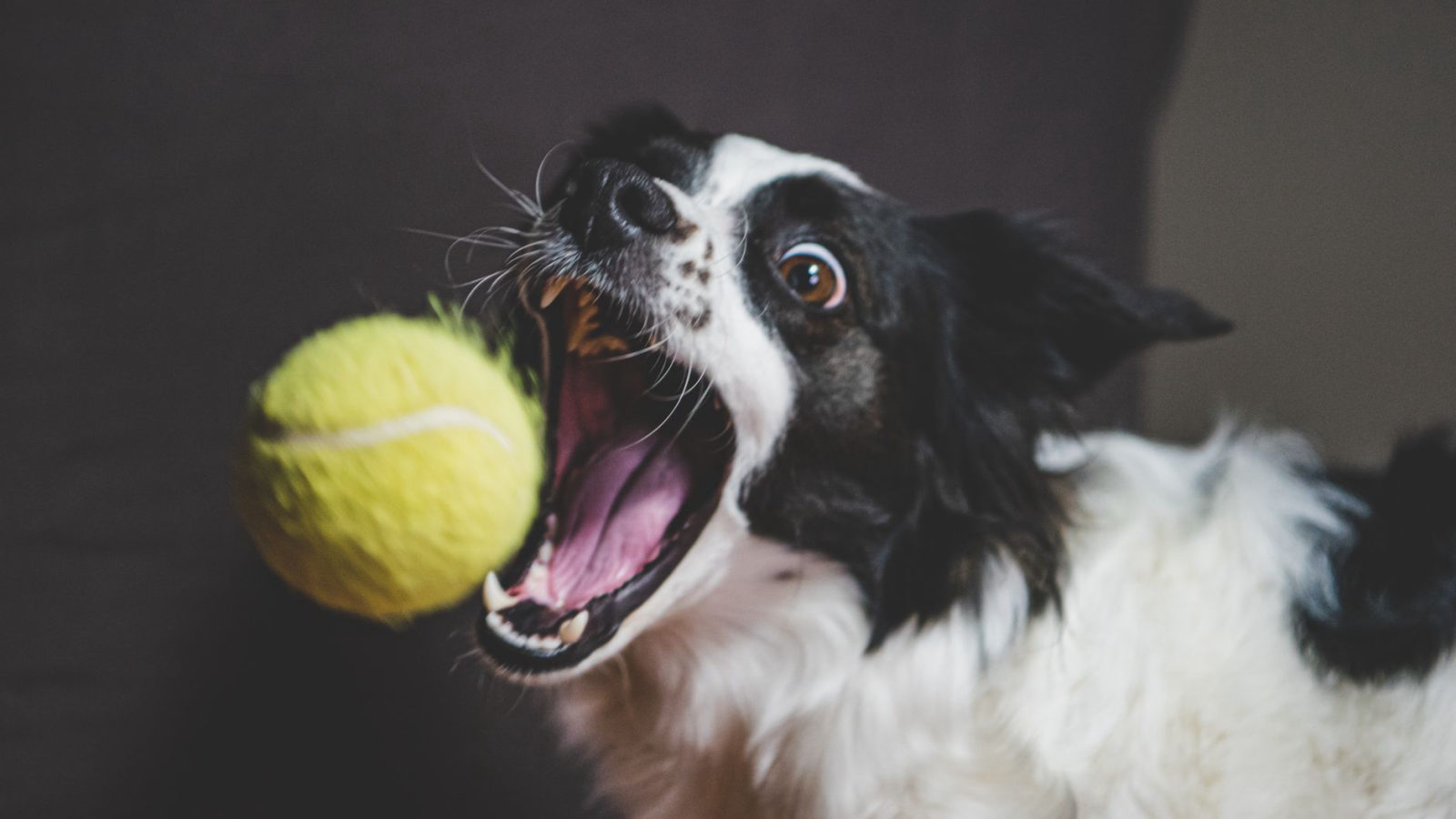
The Ultimate Guide to Dog Training: Essential Tips for Success
Training your dog is one of the most rewarding aspects of pet ownership. Whether you're a new puppy parent or have an older rescue, effective training can transform your relationship with your furry companion. This guide aims to provide you with practical and proven techniques to achieve success.
1. Understand Your Dog's Learning Style
Before diving into training, it’s crucial to understand how your dog learns best. Dogs can be visual learners, auditory learners, or kinesthetic learners. Some dogs respond better to verbal cues, while others might need a visual demonstration. Spend some time observing your dog to identify their preferred learning style. For example, if your dog quickly understands commands when shown, he's likely a visual learner.
2. Use Positive Reinforcement Techniques
Positive reinforcement is a key element of successful dog training. This involves rewarding desired behaviors with treats, praise, or playtime. Research shows that dogs trained with positive reinforcement show better learning outcomes and are more eager to participate in training sessions. For instance, if your dog sits on command, reward them with a treat immediately to reinforce the behavior.
Tip:
- Choose high-value treats that your dog loves.
- Be consistent with rewards; always reward the behavior you want to encourage.
- Gradually reduce treats as your dog learns, but continue to use praise and affection.
3. Keep Training Sessions Short and Engaging
Dogs can lose interest quickly, so keeping training sessions around 5-10 minutes is often most effective. Short, engaging sessions allow you to maintain your dog’s focus and enthusiasm. Incorporate play and breaks to keep the experience enjoyable. Mixing in fun activities after basic training can also motivate your dog to learn.
4. Set Realistic Goals
When starting your training journey, it’s essential to set achievable goals. Focus on one behavior at a time rather than overwhelming your dog. For example, if you’re teaching your dog to stay, ensure they master this command before introducing new commands like roll over or heel. Setting simple milestones builds your dog’s confidence and encourages progress.
5. Incorporate Everyday Training Opportunities
Training isn't limited to formal sessions; everyday situations provide excellent opportunities for practice. For instance, while on walks, reinforce commands like "heel" or reward your dog for ignoring distractions. Teaching them to wait at doors, or to come when called can happen seamlessly throughout the day. This not only reinforces the training but also strengthens your bond with your dog.
6. Socialization is Key
Beyond obedience, socialization is an essential part of training. Exposing your dog to different environments, people, and other animals helps them learn how to behave in various situations. Consider enrolling your dog in puppy socialization classes where they can gain confidence and learn social cues through play with other dogs. Remember, socialization should be positive and gradual to avoid overwhelming your pet.
7. Be Patient and Consistent
Training a dog takes time, and patience is key. Every dog learns at their own pace, so don’t rush the process. Consistency in commands and routines helps your dog understand what is expected of them. If you’re using commands like "sit" or "stay," use the same words and tone every time. This clarity will help your dog learn and obey more quickly.
8. When to Seek Professional Help
If you find that you’re struggling with training, consider reaching out to a professional dog trainer. Trainers can provide tailored advice and techniques that suit your dog’s specific needs. They can help address behavioral issues and guide you through more advanced training techniques.
Remember to equip yourself with essential dog supplies that can aid in training. Items like clickers, high-quality leashes, and interactive toys can enhance the training experience. For instance, a sturdy and appropriate collar can make handling your dog much easier during training sessions.
Conclusion
Training your dog is an ongoing journey that requires dedication, patience, and love. By following these tips and remaining committed to your dog’s development, you will foster a well-behaved, happy, and relaxed companion. Remember, the bond you create through training will last a lifetime!